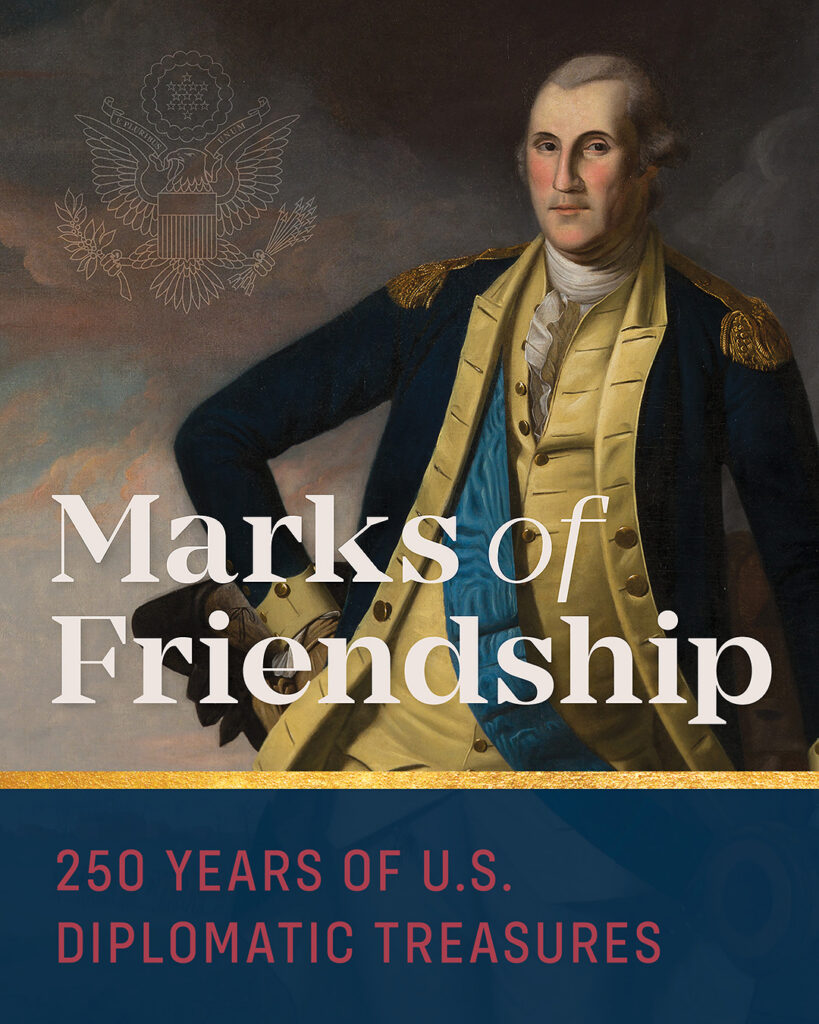
Marks of Friendship:
250 Years of U.S. Diplomatic Treasures

Philadelphia, PA

Image Courtesy of the U.S. Navy Art Collection, Washington, D.C.

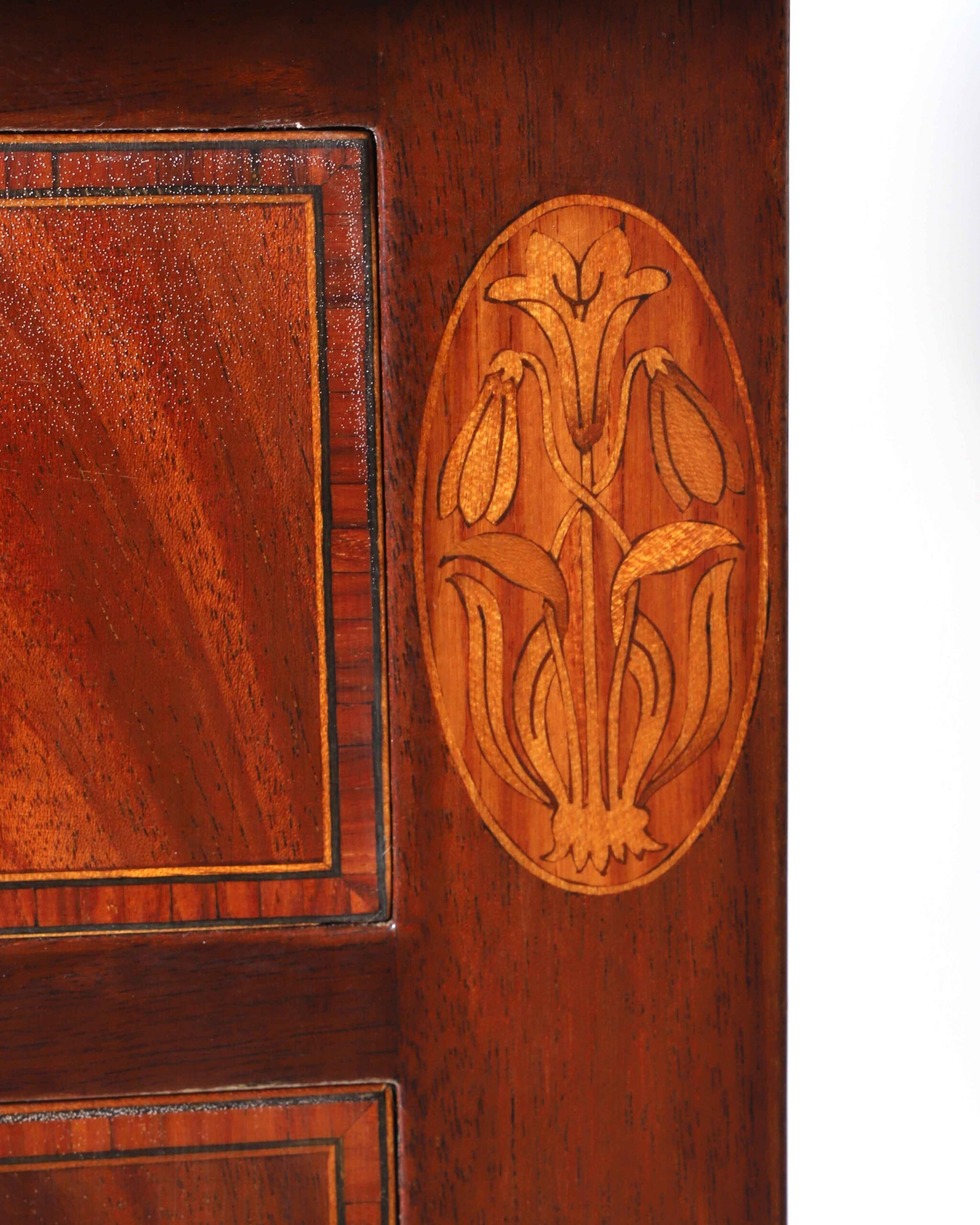
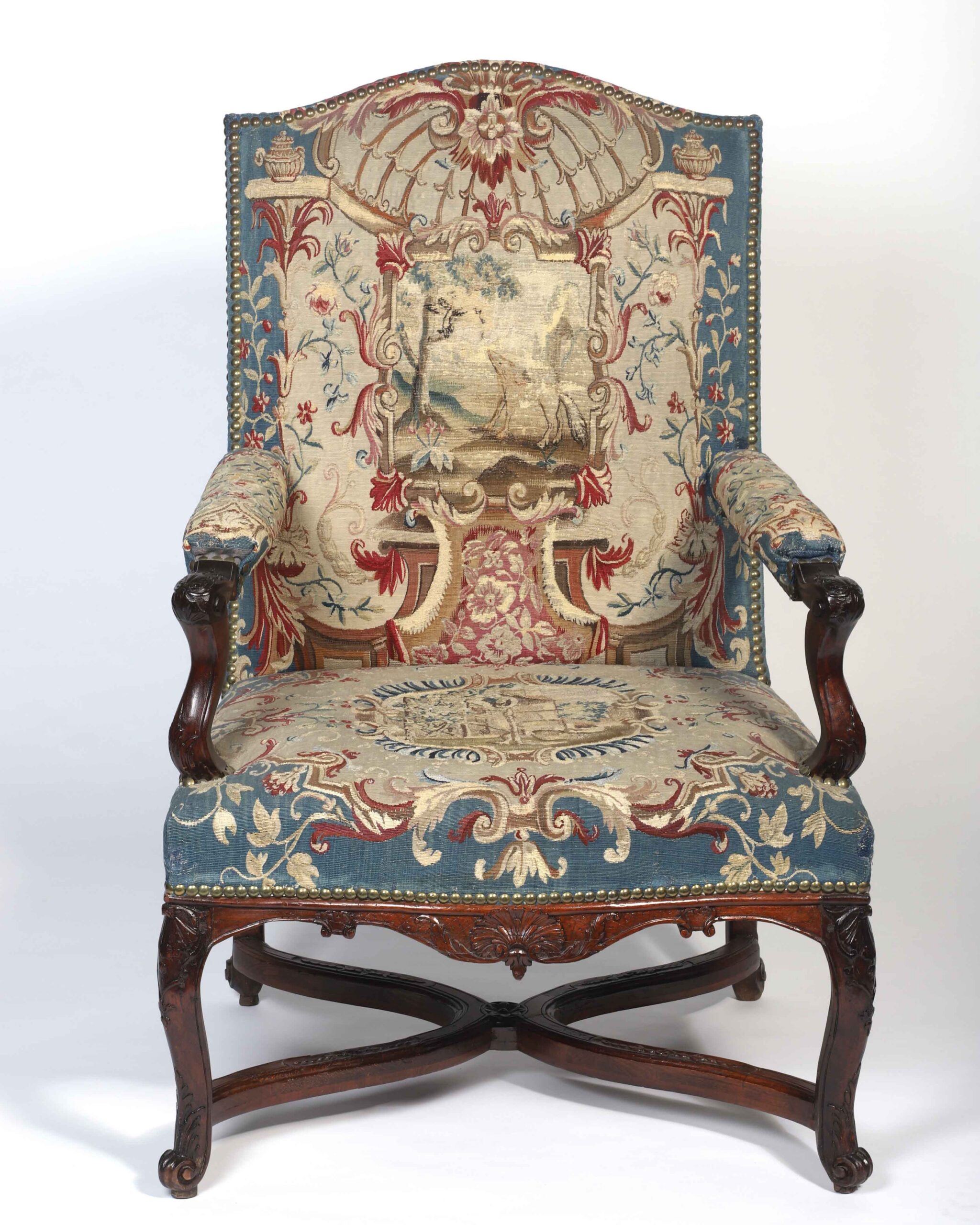
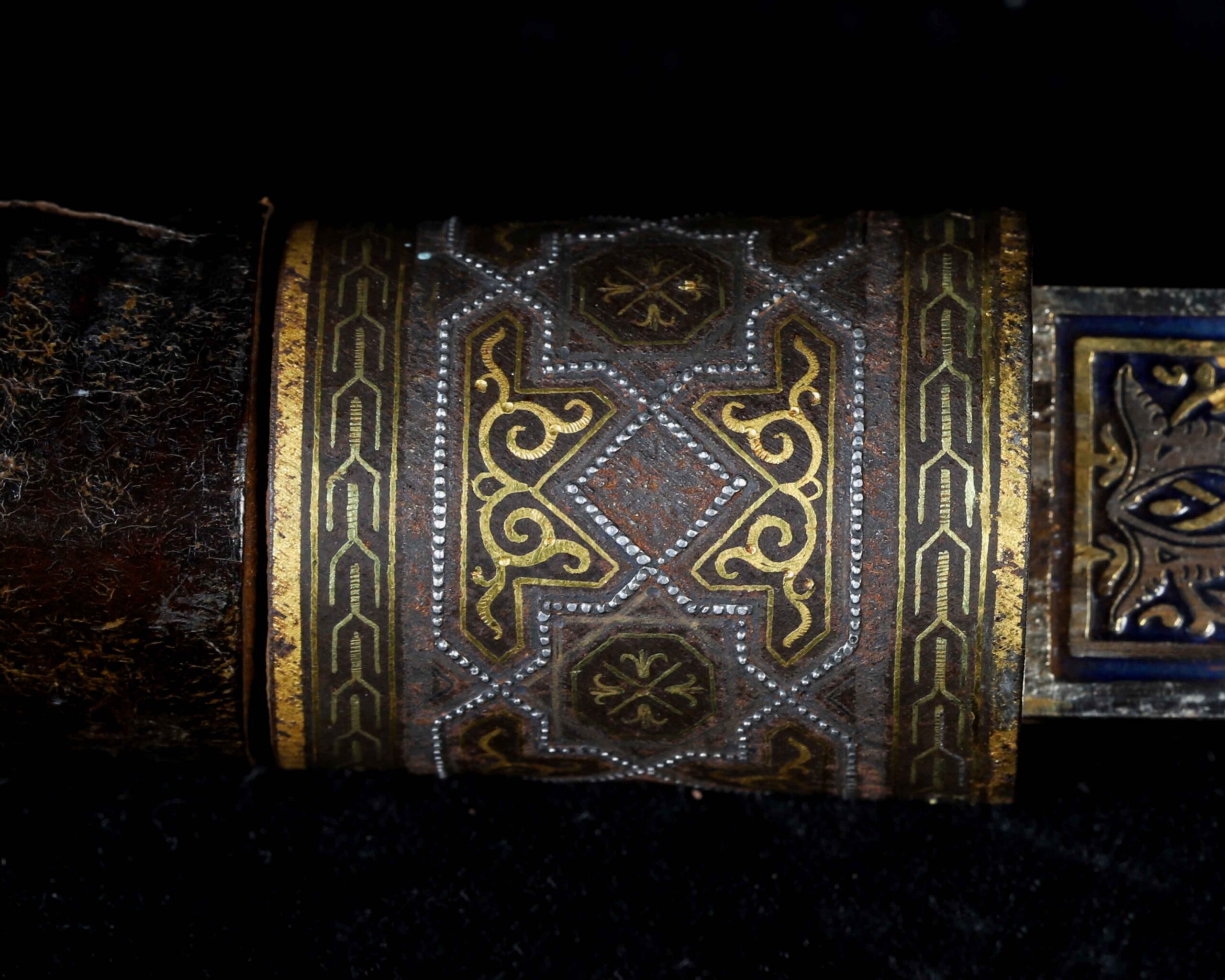
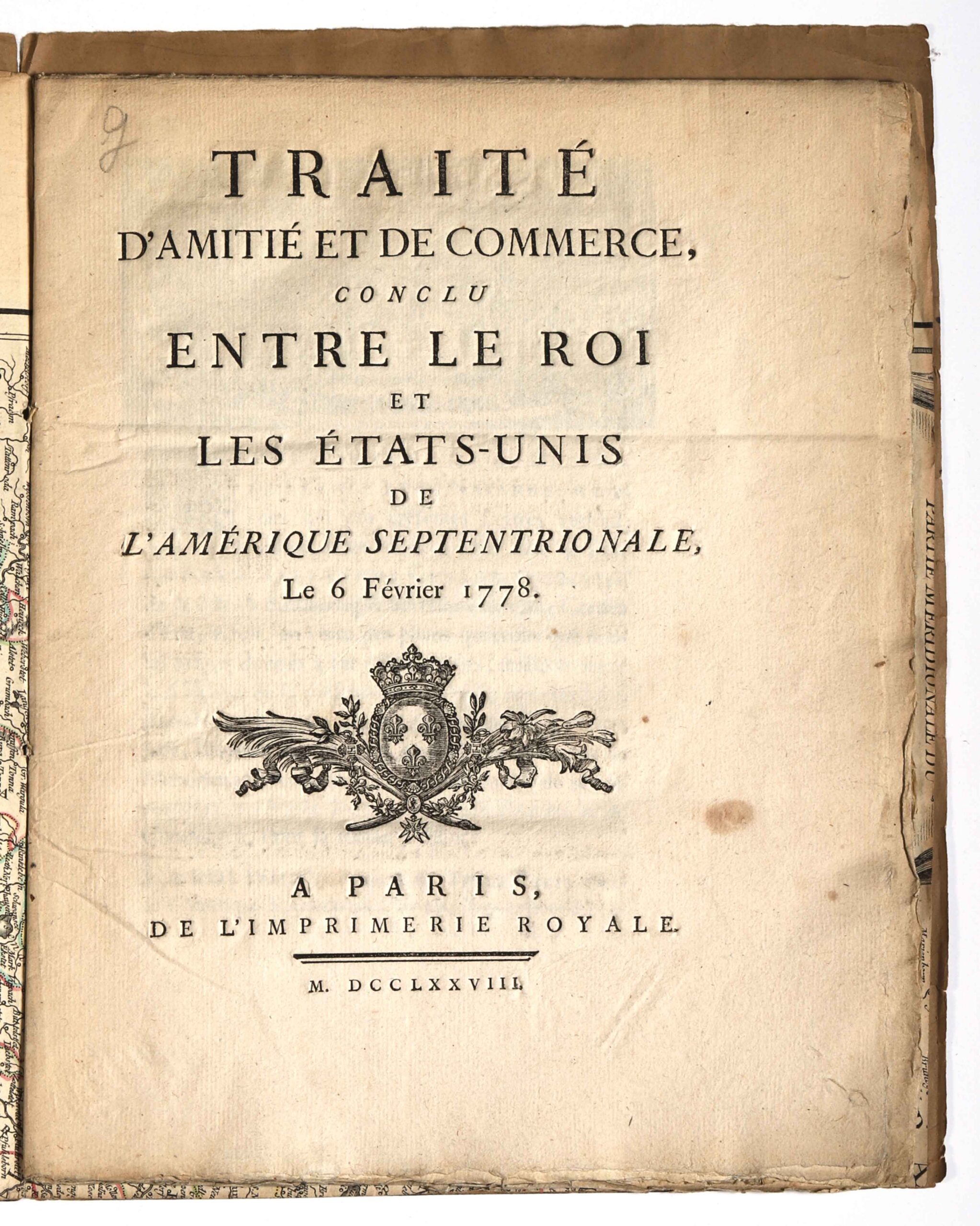
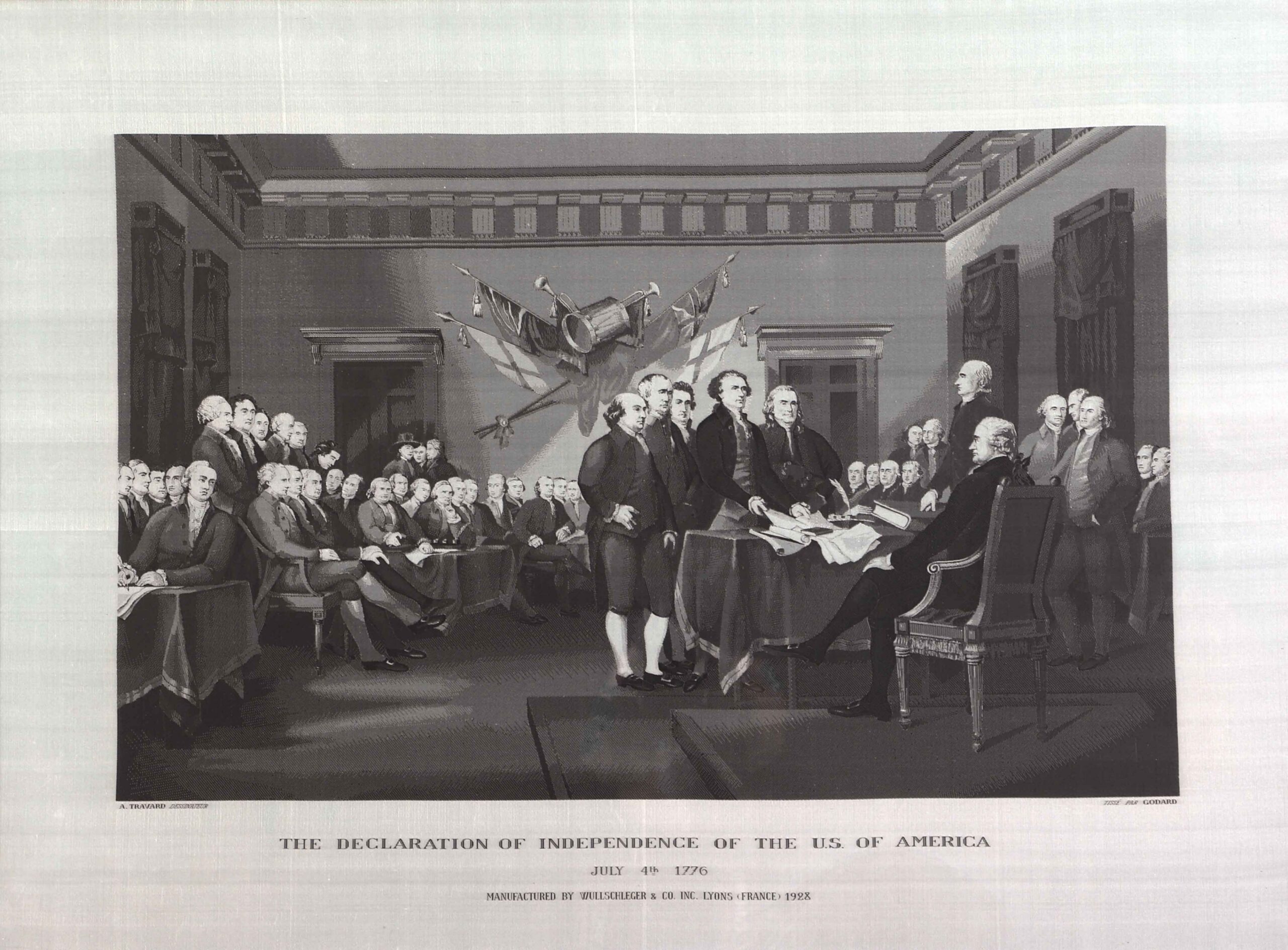
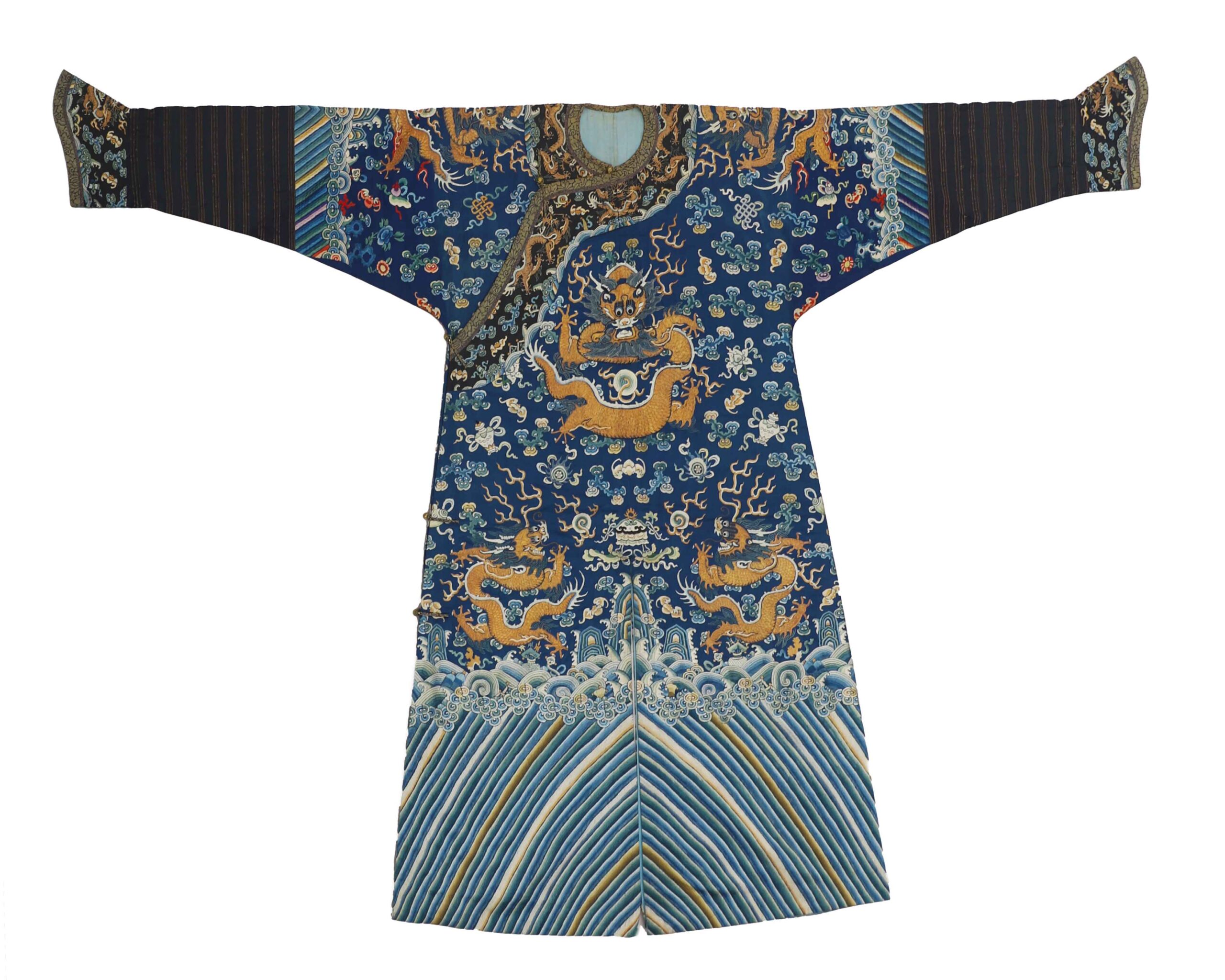
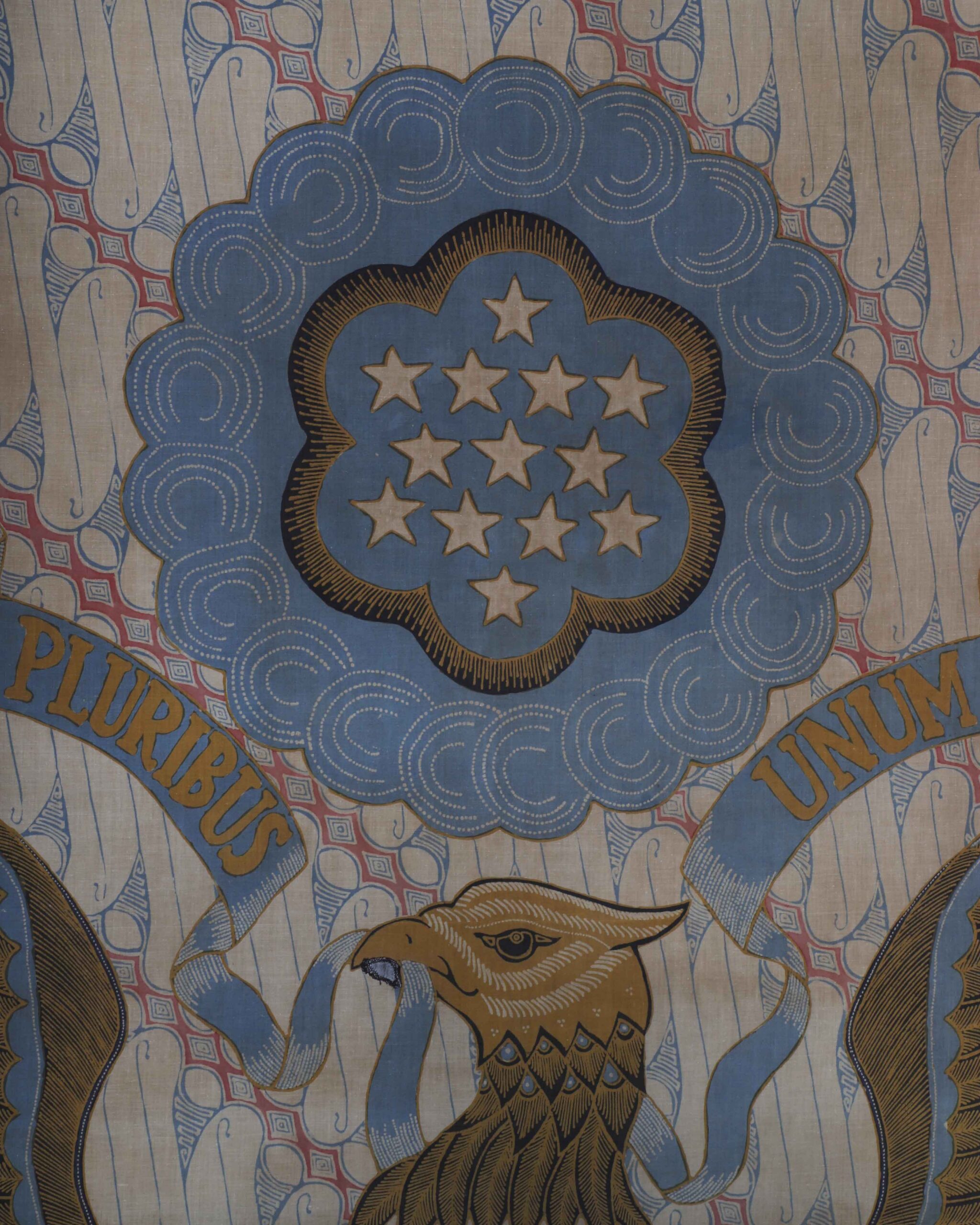
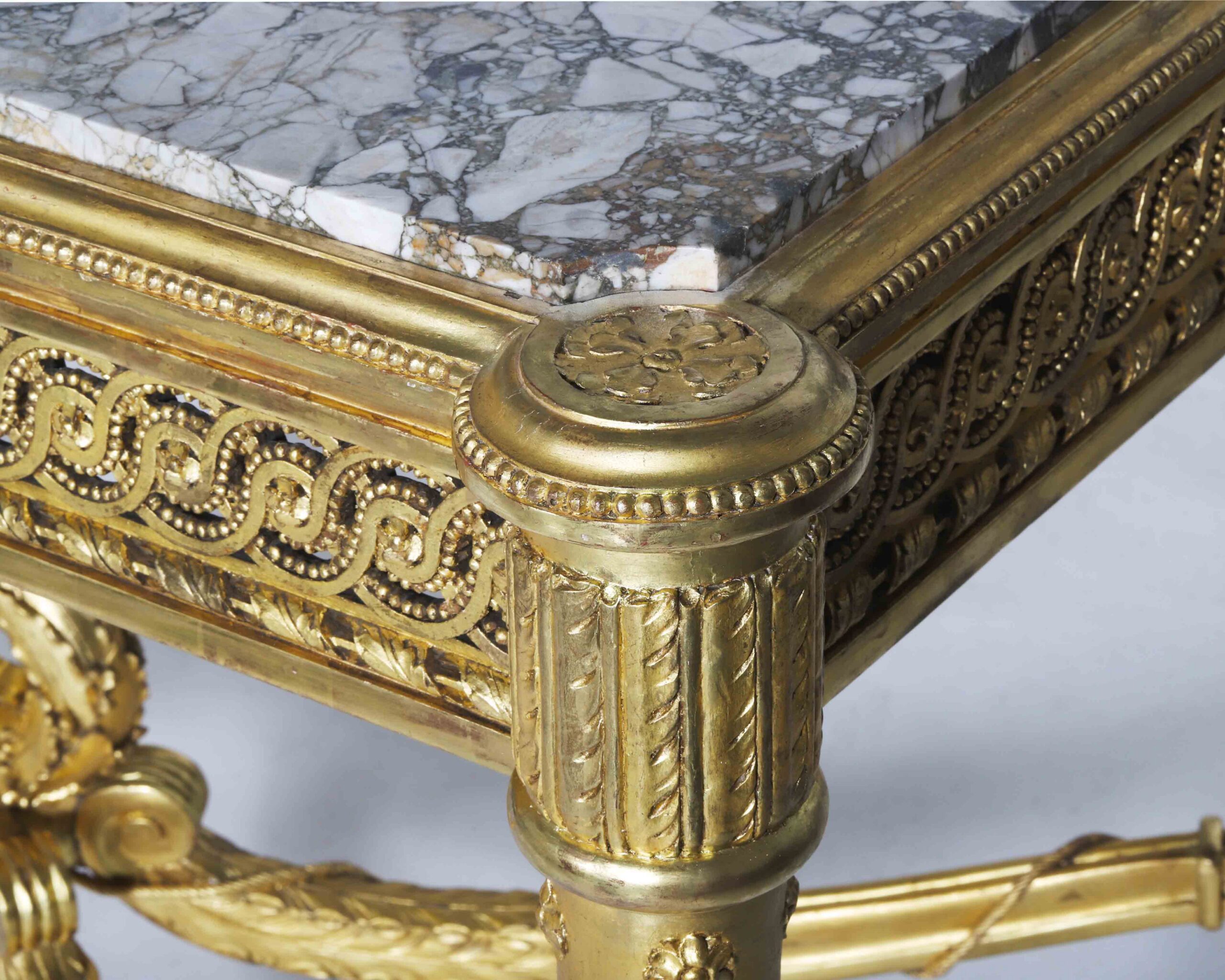
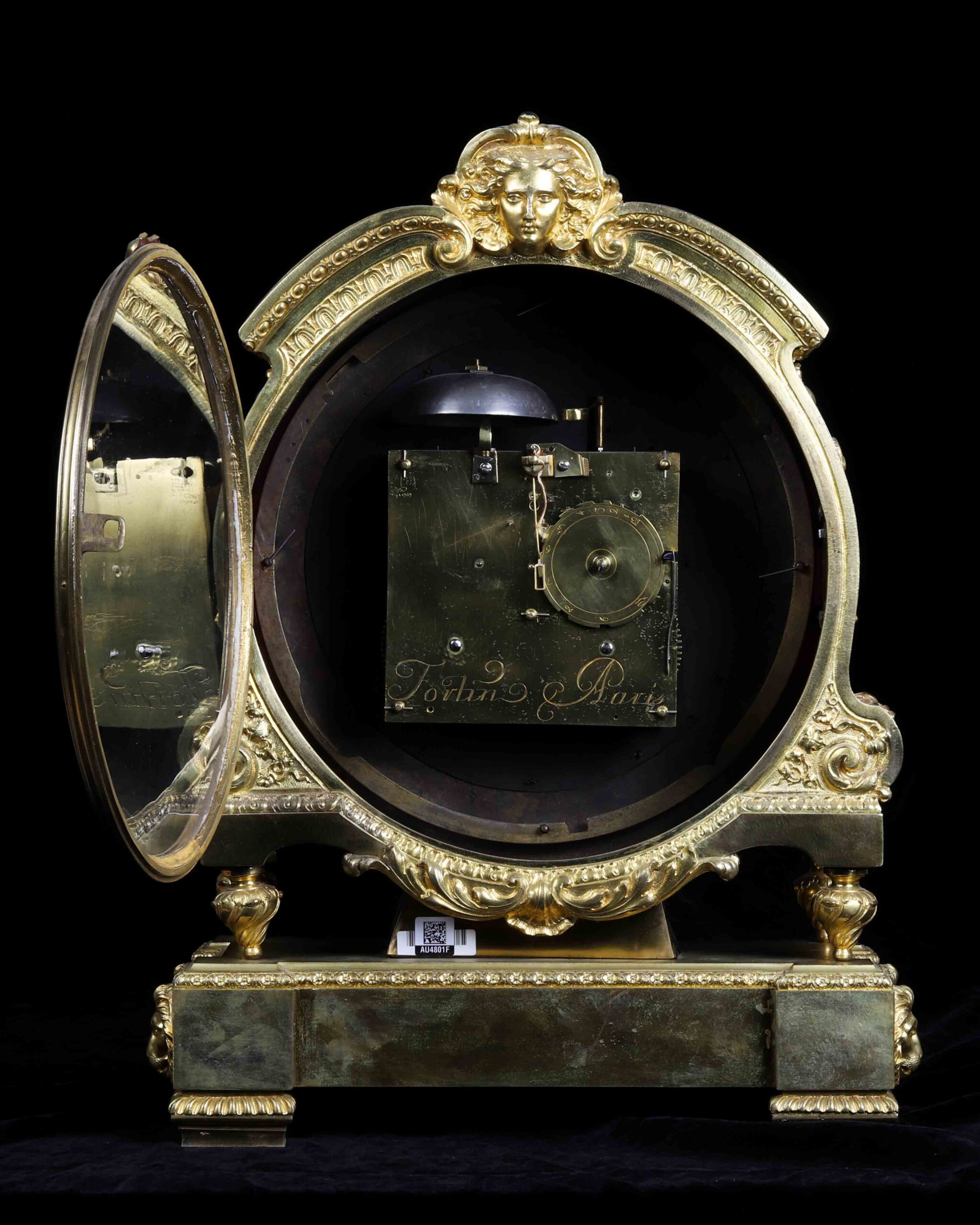
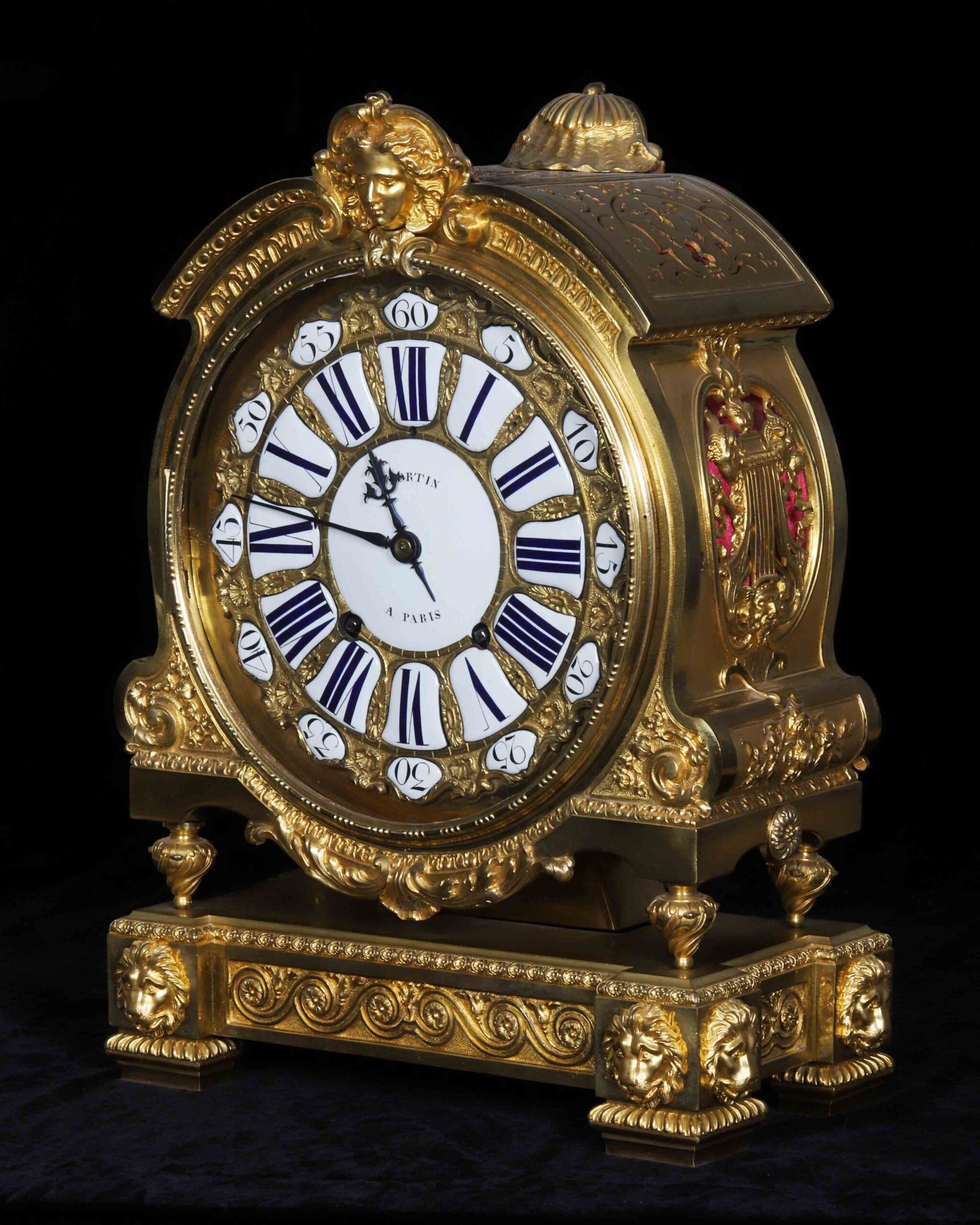
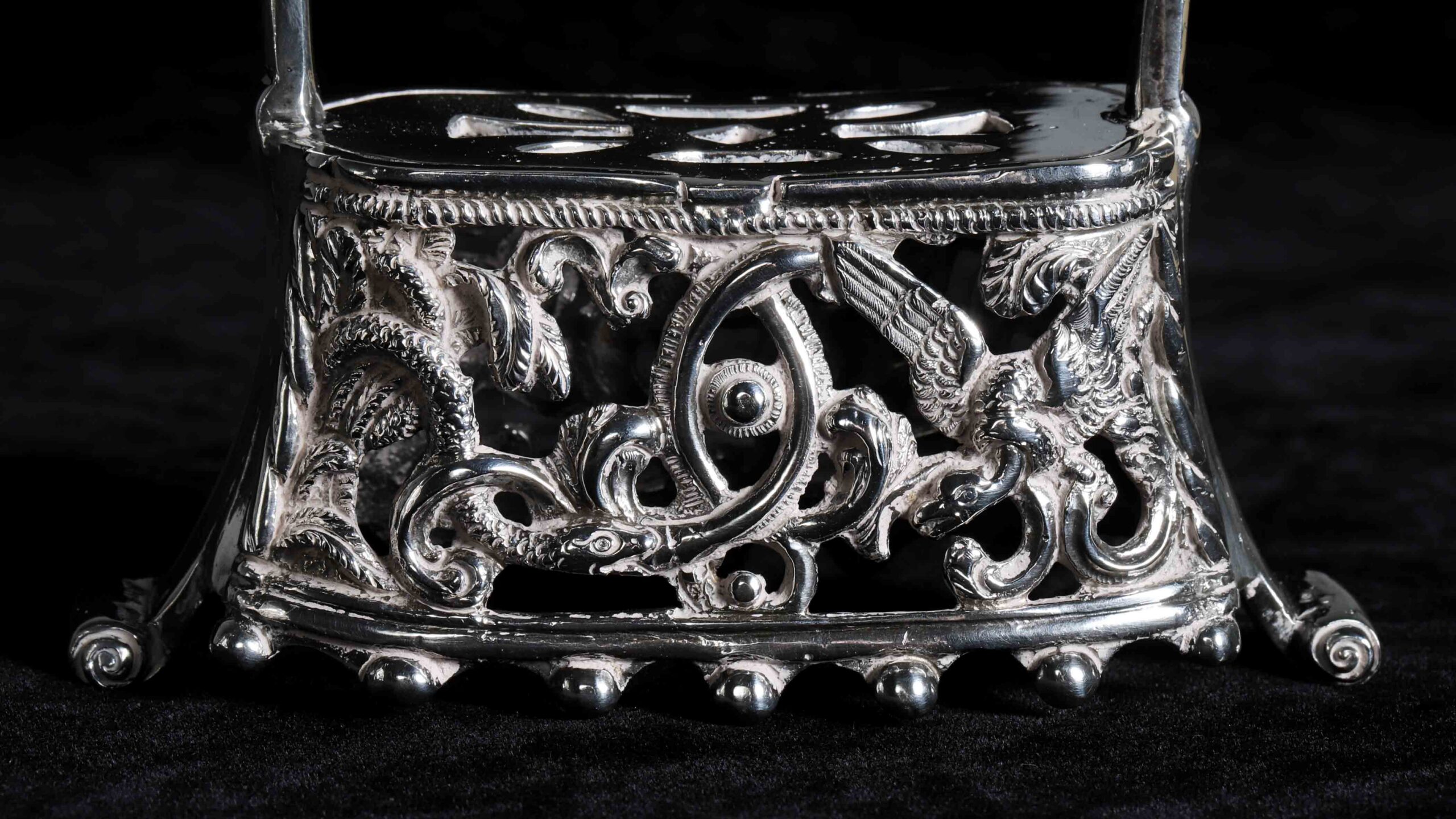
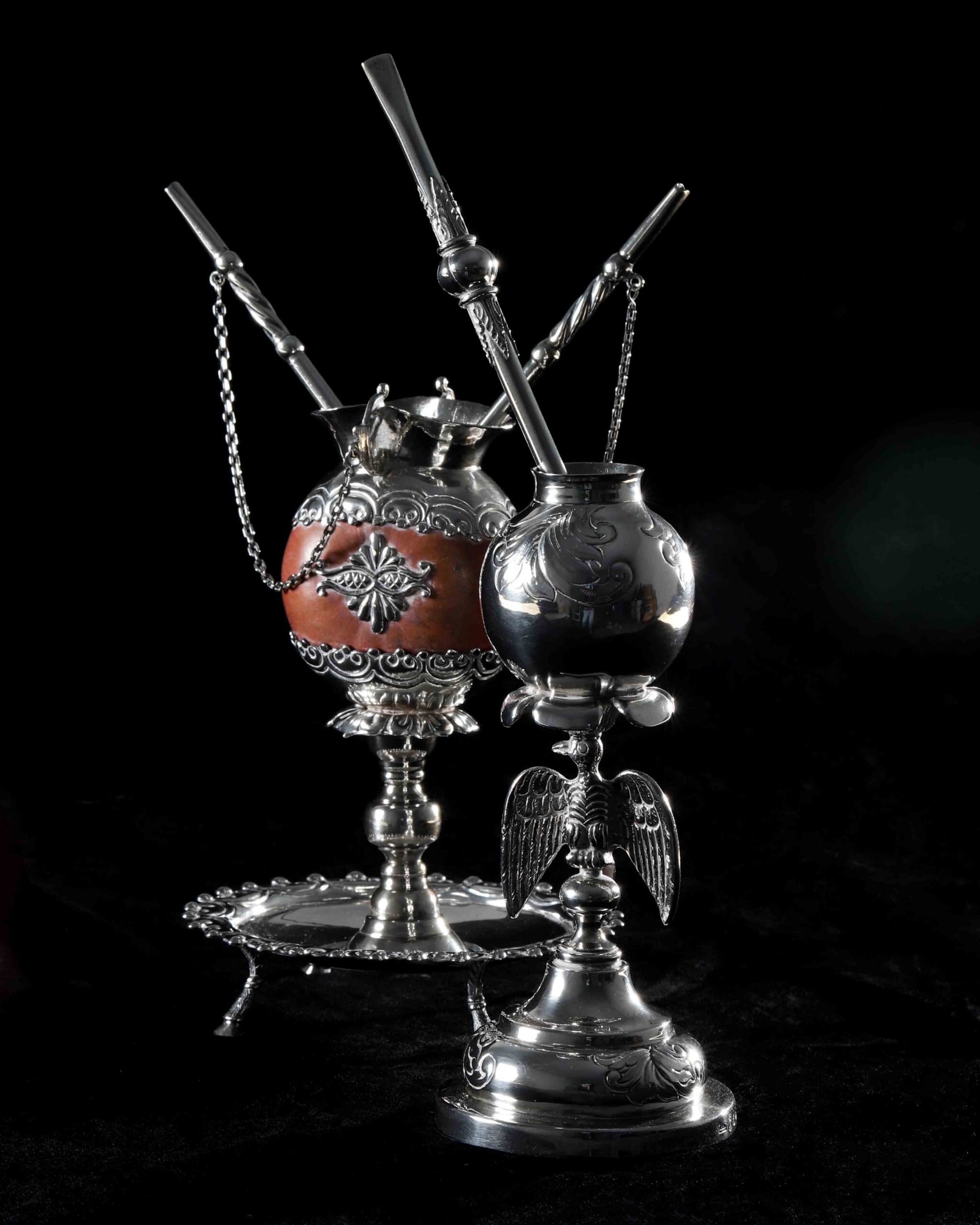
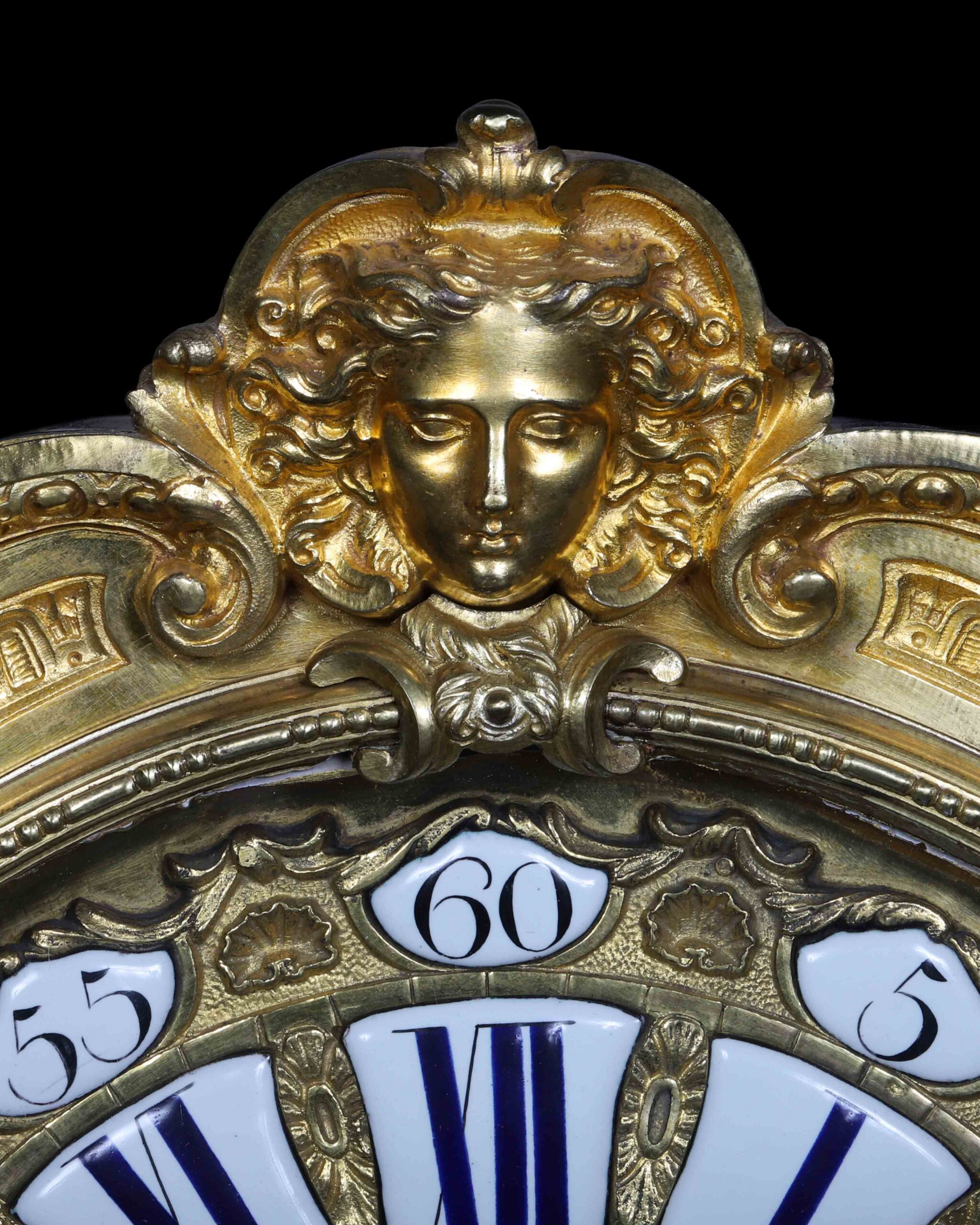
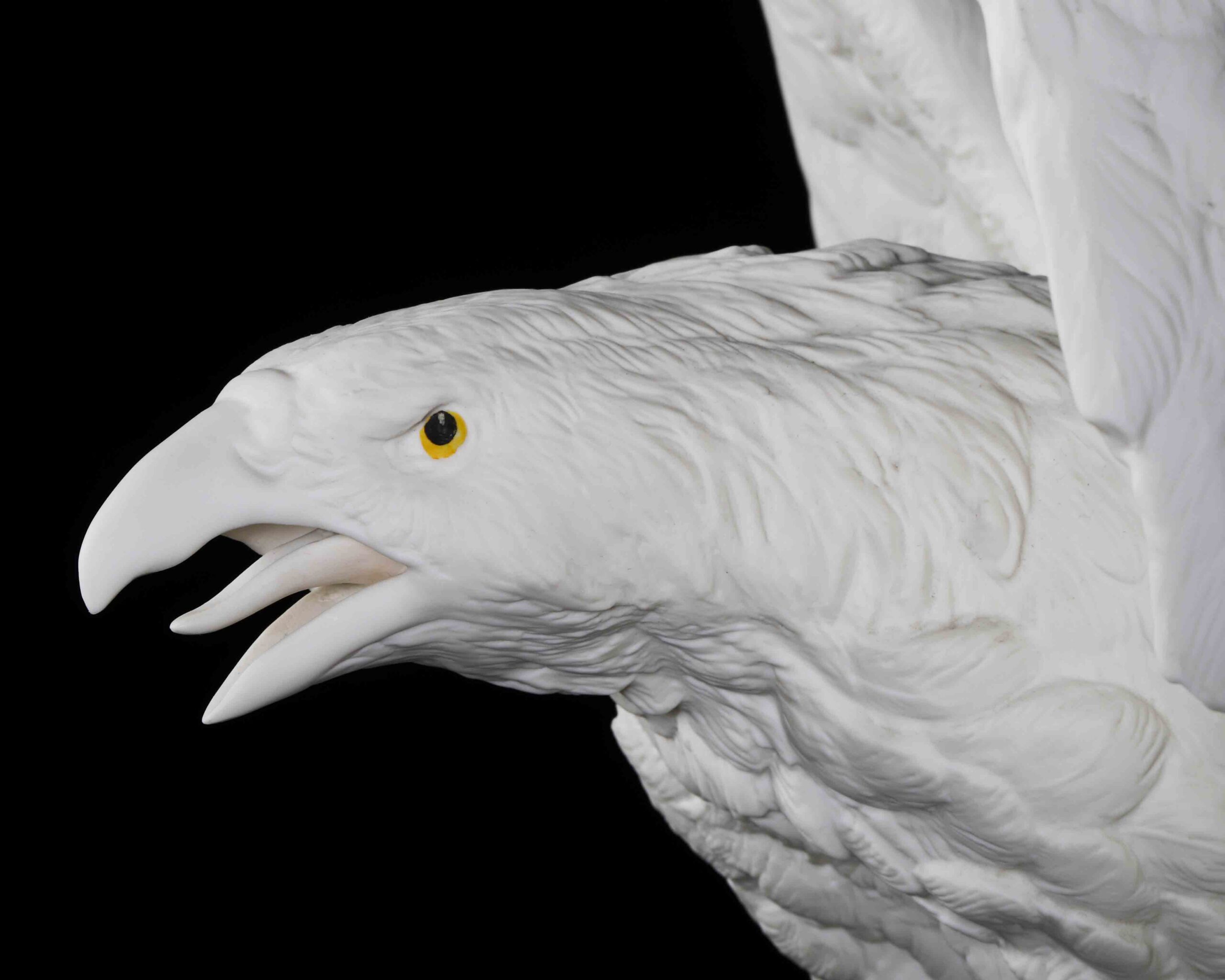
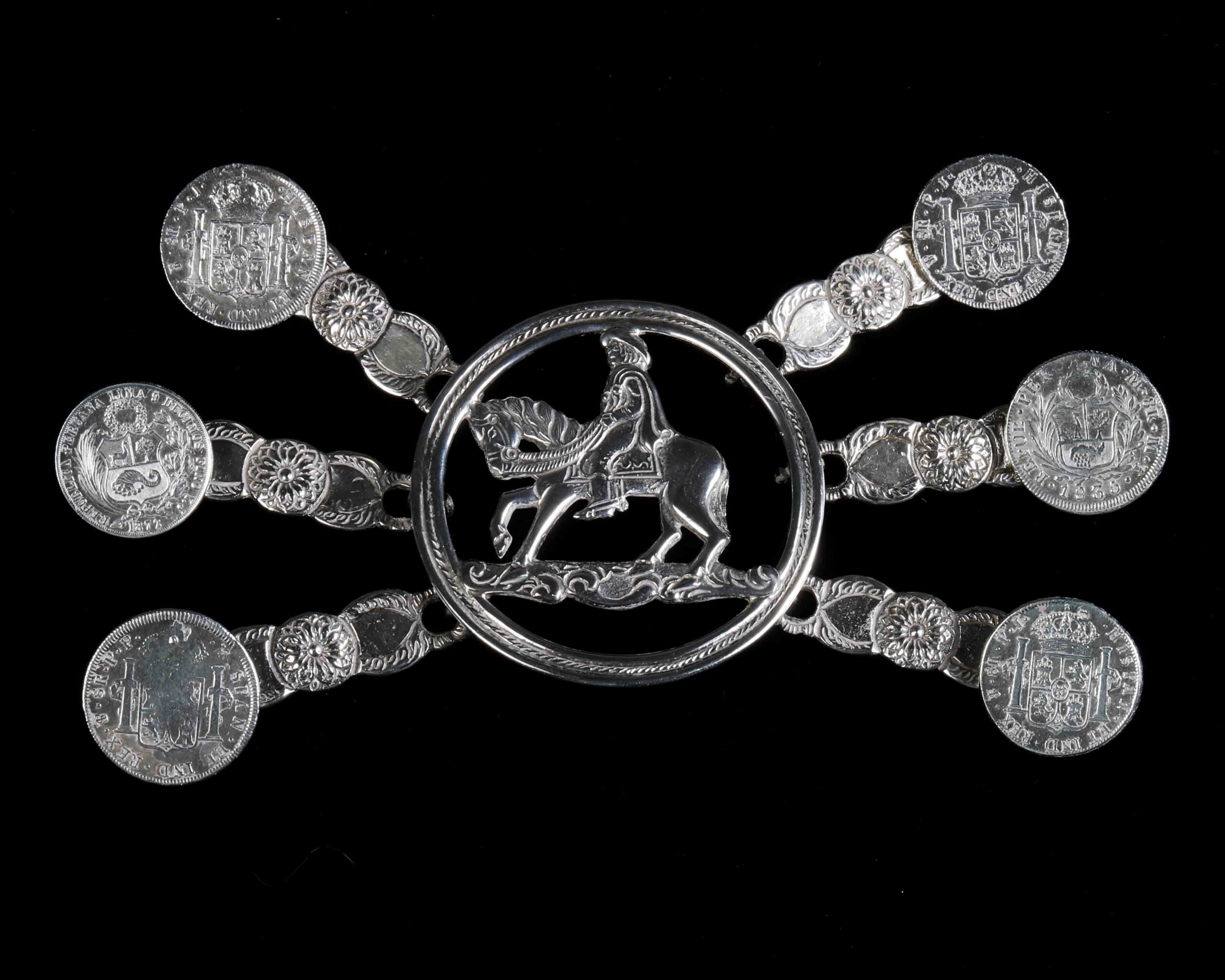
Marks of Friendship: 250 Years of Diplomatic Treasures features select objects, including fine and decorative arts, drawn from U.S. diplomatic posts around the world. Some are gifts given to U.S. ambassadors and other diplomats by officials or citizens of the countries in which they serve. Some are diplomatic artifacts or works of art bequeathed by U.S. diplomats or private citizens. All are now in the permanent collections of America’s diplomatic missions. Taken together, these objects are more than artifacts, furnishings or art; they are gestures of diplomacy.

Marks of Friendship opens July 1, 2026, at the historic and recently restored First Bank of the United States in Philadelphia, PA. This is once-in-a-lifetime exhibition showcases objects that help tell the 250-year story of America’s rise from humble beginnings as a small, experimental republic to the heights of world leadership.

The exhibit is presented by The Fund to Conserve U.S. Diplomatic Treasures Abroad and its public sector partner, the U.S. State Department Bureau of Overseas Buildings Operations Office of Cultural Heritage.  The pieces featured in the exhibition are a small fraction of the worldwide heritage collection the Office of Cultural Heritage stewards on behalf of the American people in support of American diplomacy across the globe.

Exhibit Information

July 1, 2026 - February 15, 2027

Hours:* Thursday – Sunday 11 AM – 4 PM
*Please confirm as open hours and days are subject to change.

Location

First Bank of the United States
120 S. 3rd Street
Philadelphia, PA 19106

Gallery

Throughout history, leaders and the diplomats who represent them have presented and received gifts meant as tokens of peace, friendship, and collaboration. From the difficult days of the United States’ struggle for independence to the present, diplomatic gifts are given or received to convey ideas, enhance trade, share culture, and strengthen international relationships.

Enjoy photos from the Preview Night reception at the Washington Winter (Antiques) Show at American University earlier this year.

A Painting’s Diplomatic Journey

April 15, 1714

Charles Willson Peale, an American painter and portraitist, is born. In 1775, Peale moves to Philadelphia and opens a painting studio. He joins the Sons of Liberty and later serves in the Continental Army during the American Revolution. After the war, Peale paints dozens of historic figures including many of America’s founding fathers. He has sixteen children, many of whom are named after his favorite artists and become noted artists themselves.

January 3, 1777

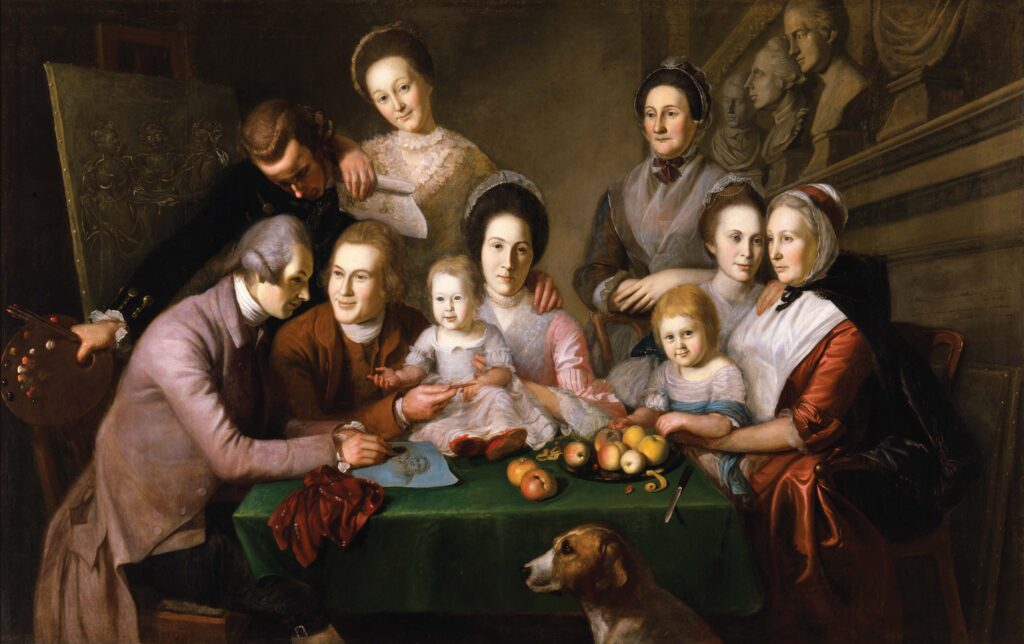
The Peale Family by Charles Willson Peale, c. 1773–1809. Oil on canvas, 56 1/2 × 89 1/2 in. (143.5 × 227.3 cm). Gift of Thomas Jefferson Bryan. The New York Historical Society, 1867.298.

George Washington and the Continental Army defeat the British at the Battle of Princeton. Peale serves as a Captain in the Continental Army and fights in this battle.
1779

Charles Willson Peale completes the original Washington at Princeton, a portrait commissioned to honor General Washington’s recent military success. While on display in Philadelphia, the portrait is met with public acclaim.

1779

Founding Father Henry Laurens (1724–1792) orders a replica from Peale. The copy is to be a diplomatic gift for the Dutch, from whom the Americans hope to secure a loan to fund the Revolutionary War effort.

1780
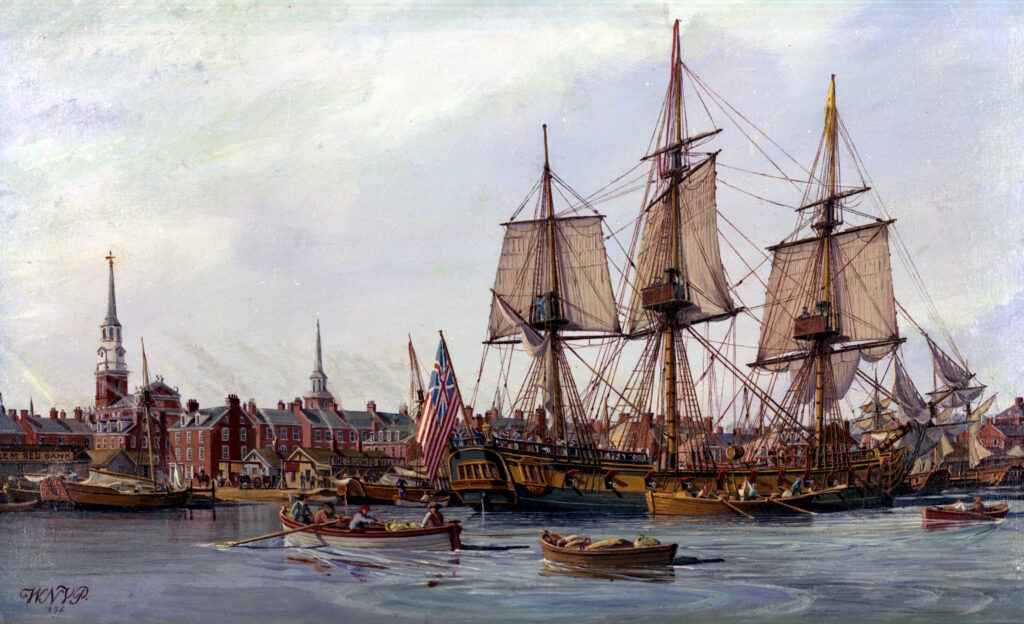
This painting depicts the maritime world in which the Mercury operated: the crowded wharves of Philadelphia, the construction of hastily converted warships, and the look and feel of American vessels during the early years of the Revolution. W. Nowland Van Powell, oil painting, Continental Ship Alfred placed in commission at Philadelphia, Pennsylvania, 3 December 1775. Courtesy of the U.S. Navy Art Collection, Washington, D.C.
1780

As an envoy of the Continental Congress, Laurens sets sail on the American ship, Mercury, with the portrait and a draft treaty for Dutch consideration. During the voyage, all are captured at sea by British Captain George Keppel of HMS Vestal. As a prisoner of war, Laurens is taken to the Tower of London—the only American in history to suffer that fate. Through Keppel, the portrait enters the Albemarle family collection and is held at their family seat in Sussex, England, for more than 160 years.

1780

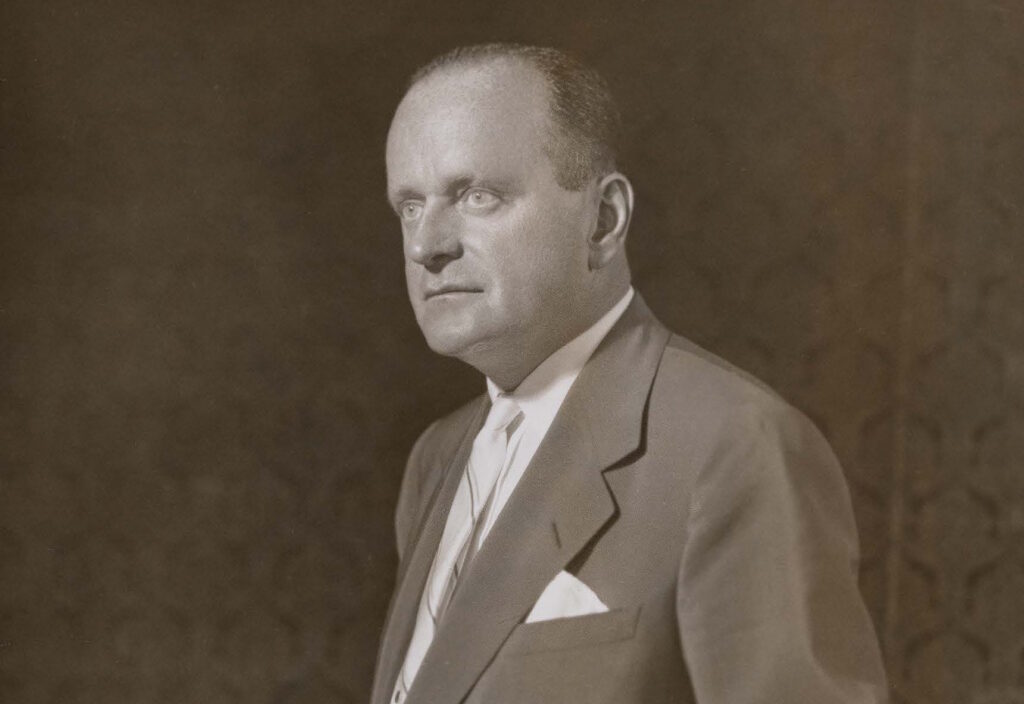
E. J. Rousuck. Undated photograph. Emanuel J. Rousuck papers, 1946 1970. Archives of American Art, Smithsonian Institution.

The Albemarle family sells the portrait at auction in London to George Davey. While en route from London to New York, the painting is sold again to art dealer E.J. Rousuck, of Scott & Fowles Gallery, New York. This marks the second time the Laurens-Albermarle copy of Washington at Princeton has changed hands at sea.
Mid-1960s

Rousuck sells the painting sometime between 1955 and 1963 to American heiress and Francophile Caroline Ryan Foulke. By the mid 1960s, Mrs. Foulke leaves her New York apartment and moves many of her paintings and furnishings to storage, including the Laurens-Albermarle copy of Washington at Princeton.

1977

Mrs. Foulke relocates to Paris, and the portrait is sent to France shortly thereafter.

1981

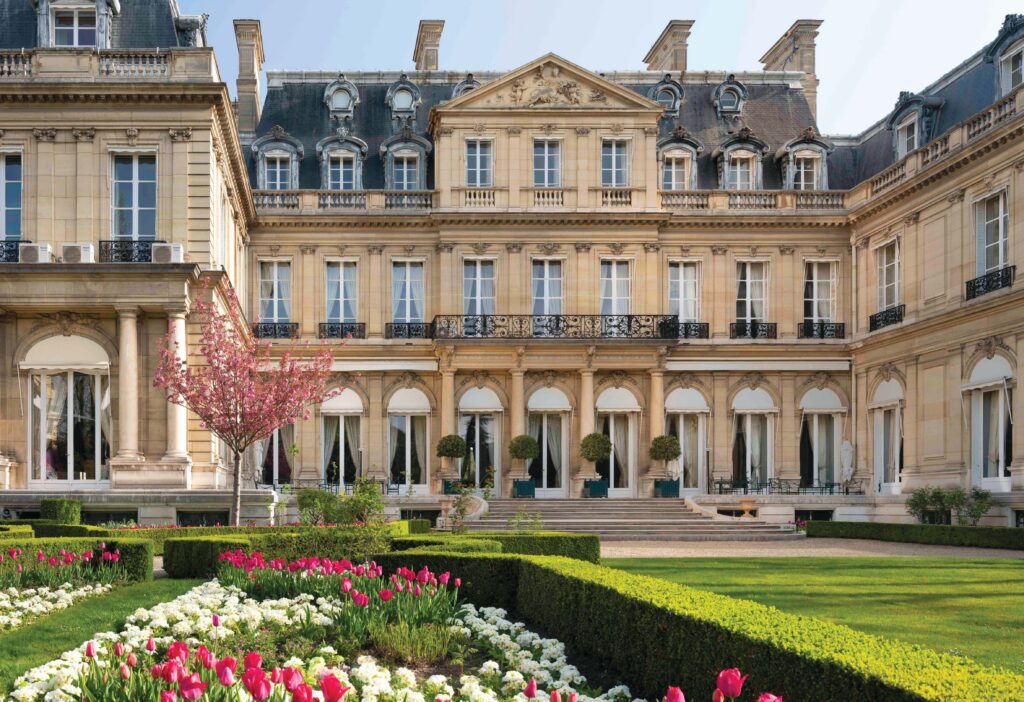
U.S. Ambassador’s Residence, Paris

The portrait is loaned by Mrs. Foulke for display at the U.S. Ambassador’s residence in Paris. Eight years later, the portrait is formally bequeathed to the U.S. Department of State in Mrs. Foulke’s will. She stipulates it should remain on display at the residence in Paris. Documents suggest that the painting is believed to be by Peale but has not been formally attributed.

2015

The Office of Cultural Heritage is officially established at the U.S. Department of State with the mission to preserve America’s historic properties and collections abroad.
2021-2023

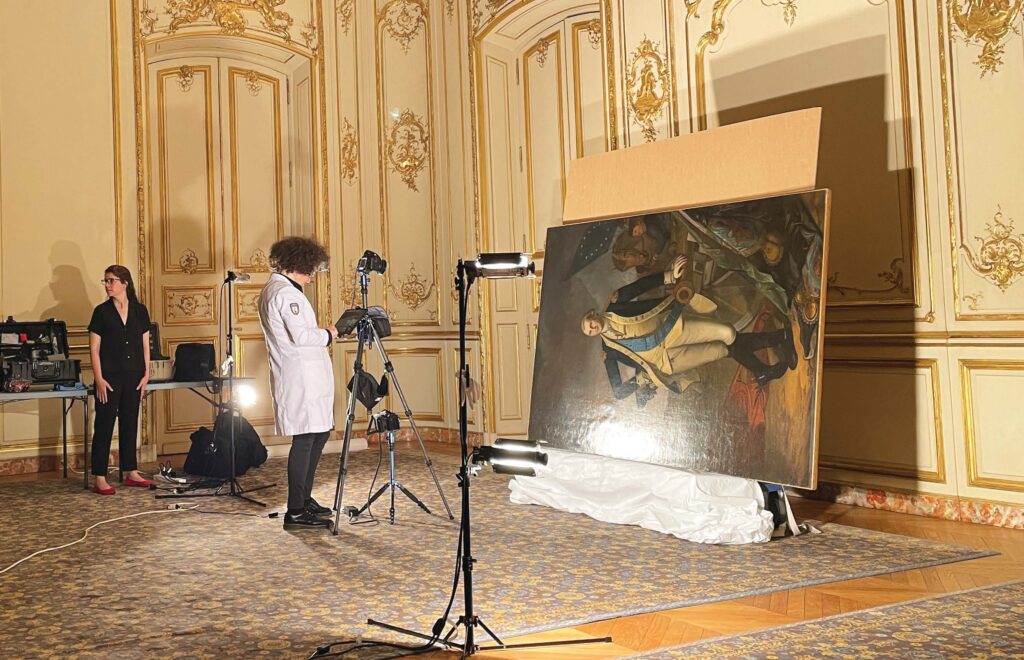
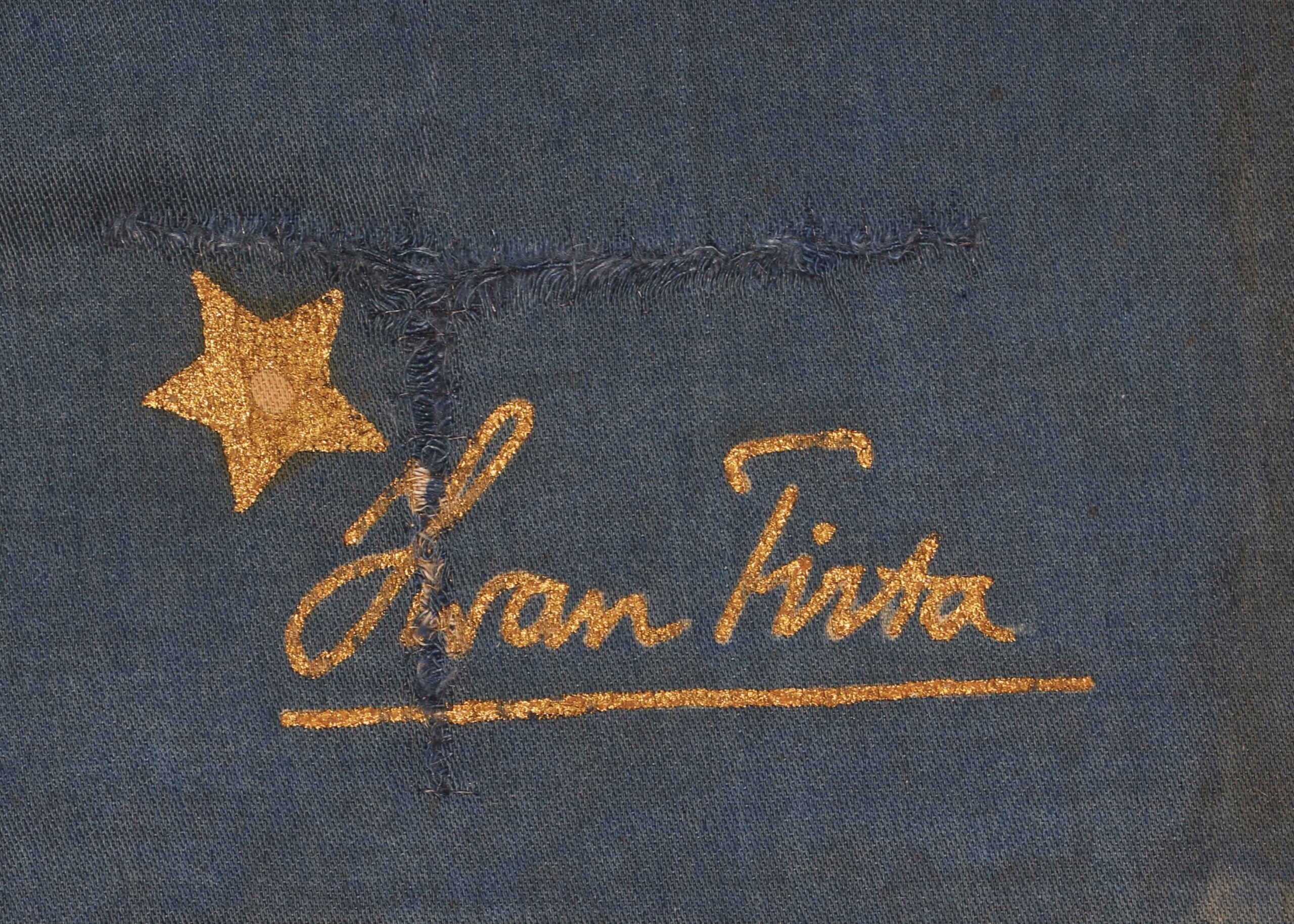
The Office of Cultural Heritage embarks on a technical study and authentication of the State Department’s portrait, including archival research, examination, and analysis of the painting itself, as well as other versions in America and France. The portrait is studied in situ at the Ambassador’s residence in Paris and at laboratory facilities managed by Centre de recherche et de restauration des musées de France (C2RMF) at the Louvre. C2RMF is France’s national center for analysis and restoration of art and historical objects. The analysis, study, and research conclude that the State Department’s portrait is indeed the Laurens-Albermarle portrait painted about 244 years earlier by Charles Willson Peale.

2021-2023

The portrait is taken to C2RMF’s facilities at Versailles for conservation treatment under the guidance of a panel of American and French curatorial and conservation experts. As part of this Franco-American partnership, Versailles loans its copy of Washington at Princeton to hang at the Ambassador’s residence while the Peale is away for treatment. Conservation is completed, and the portrait returns to the Ambassador’s residence in Paris in a strengthened frame for long-term display.
The Office of Cultural Heritage, established in 2015 under the Bureau of Overseas Buildings Operations, implements a stewardship program for the Department of State’s culturally, historically and architecturally significant properties and collections. Through conservation, research, educational resources, maintenance protocols and exhibits, its cultural heritage experts implement the 1966 National Historic Preservation Act mandate to identify, protect and preserve these public properties and their collections of distinction. To date, the State Department has documented over 270 properties and 16,750 artworks, artifacts and historic items meeting the heritage criteria it has established.

Support the Fund to COnserve

Fund to Conserve U.S. Diplomatic Treasures Abroad (FTC), established in 2012, is the official 501(c)(3) independent, nonprofit, nonpartisan private sector partner to the U.S. Department of State’s, Overseas Buildings Operations, Office of Cultural Heritage (CH).

FTC is dedicated to discovering individuals and companies who are passionate about America’s story abroad and working with them to cultivate awareness and raise private dollars, through philanthropic -giving, for the conservation and preservation of the Department of State’s properties of distinction, and the heritage collections they house.

Your charitable gift to FTC supports sharing the remarkable stories of people and milestone moments associated with these heritage properties and the collections they house; providing guidance, coordination and support to U.S. embassies stewarding heritage properties; and collaborative development of educational programming.

The Fund to Conserve is pleased to accept your donation via your preferred manner, including mail, wire transfer, securities, IRA distribution, private foundation, employer-matched gifts or Donor-Advised Funds (DAF). Learn more about ways to give here.


Donate online today using the “Donate Now” button below.  Learn about other ways to support this effort by emailing Info@FundtoConserve.org